Bahasa melayu
 中文
中文






Risk of Bleeding from Randomly Taking Nattokinase? Malaysians Must Read: Side Effects and 4 Major Contraindications
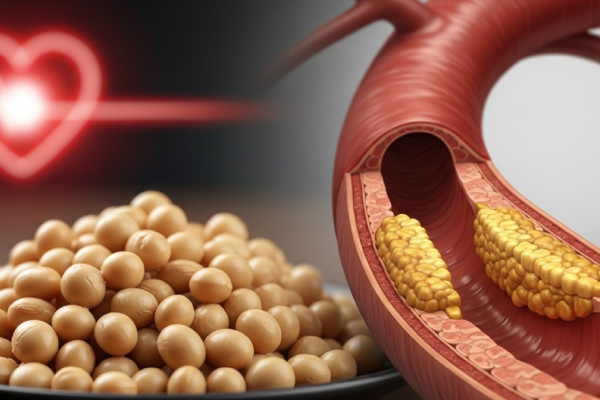
The "Vascular Scavenger" Everyone in Malaysia Is Looking For, But Are You Taking It Right?
In recent years, Nattokinase has remained high on the search lists for Nattokinase Malaysia. Faced with the younger onset of strokes and the prevalence of high blood pressure, many Malaysians view this "longevity enzyme" from Japan as a lifesaver.
Advertisements are everywhere: "Dissolves blood clots," "Prevents stroke," "Lowers blood pressure." Consequently, many people buy and eat it without knowing if it suits them. Some even blindly pursue "super high FU values" or unauthorizedly stop their doctor's medication in pursuit of better results. Clogged Blood Vessels: The Hidden Danger You’re Ignoring
As a highly functional ingredient, Nattokinase is indeed a powerful assistant for vascular health, but it is by no means a candy with zero restrictions.
Today, we will set aside specific brand promotions and objectively analyze the safe dosage, potential risks, and common myths of Nattokinase from a pharmacological perspective.

Myth 1: Is Higher FU (Activity Unit) Always Better?
In pharmacies or e-commerce platforms in Malaysia, you often see merchants competing with numbers: 2000 FU, 4000 FU, or even 10000 FU. Consumers often think: The bigger the number, the stronger the effect and the faster the thrombolysis.
The Truth: The body has an absorption limit, and overdose may increase the risk of bleeding.
FU (Fibrin Unit) is the unit measuring the ability of Nattokinase to dissolve blood clots. The Japan NattoKinase Association (JNKA) officially recommends a dosage of: 2000 FU per day. This is the "Gold Standard" verified by extensive clinical trials, which effectively maintains smooth blood flow while remaining within the safe range. For general maintenance or people with mild high blood pressure/lipids, 2000 FU to 4000 FU is sufficient. Blindly pursuing ultra-high doses above 10000 FU not only results in waste as the body cannot fully absorb it but may also cause abnormal coagulation function in elderly people with fragile blood vessels, increasing the risk of subcutaneous bleeding or internal bleeding.
Conclusion: What fits you is the best. Do not pay for inflated numbers.
Myth 2: Can I Stop Hospital "Blood Thinners" After Taking Nattokinase?
This is the most dangerous myth and must be strictly warned against.
Many high-risk patients (such as those with atrial fibrillation or post-stent surgery) are taking anticoagulant drugs (such as Warfarin, Aspirin, or Plavix). They may feel that western medicine hurts the stomach and want to replace it with "natural" Nattokinase.
The Truth: Nattokinase is a "Dietary Supplement," not a substitute for "Prescription Drugs."
Although Nattokinase helps dissolve blood clots, its onset speed and intensity are different from drugs. More importantly: Nattokinase and anticoagulant drugs have a "stacking effect." If you take both at the same time, it may cause the blood to become too thin. In the event of an accidental collision, it could lead to severe consequences where bleeding cannot be stopped.
Conclusion: If you are taking anticoagulant western medicine, be sure to consult your doctor first. Usually, doctors will suggest staggering the intake time or adjusting the dosage. Never stop medication or mix them without authorization.
Myth 3: Can People with Gout Take Nattokinase?
It is well known that Natto is fermented from soybeans. Soybeans are high-purine foods and are taboo for gout patients. Therefore, many people with high uric acid stay away from Nattokinase.
The Truth: Eating "Natto" is not equal to eating "Nattokinase."
Directly eating fermented Natto food does involve intaking purines. However, legitimate Nattokinase supplements are purified from the fermentation broth of Bacillus natto using high-tech biological extraction technology. During this purification process, Purine is removed. Usually, Vitamin K2, which promotes blood coagulation, is also removed during this process.
Conclusion: Gout patients can safely take purified Nattokinase capsules as they do not cause uric acid levels to rise.
Safety Guide: These 4 Groups of People Should Say "No" to Nattokinase
To ensure safety, if you belong to the following groups, please avoid taking it temporarily or use it under the guidance of a doctor:
1. People 2 Weeks Before or After Surgery Whether it is tooth extraction, minimally invasive surgery, or major surgery, intake must be paused to prevent uncontrollable bleeding during or after the operation.
2. Pregnant Women and Breastfeeding Mothers There is currently insufficient clinical data to prove its absolute safety for the fetus or infant, so it is recommended to pause intake.
3. People with Severe Bleeding Tendencies Such as those suffering from hemophilia, active gastrointestinal ulcer bleeding, or the acute phase of cerebral hemorrhage.
4. People with Severe Soy Allergy Although the purification level is high, if there is a history of extreme sensitivity to soy protein, it is recommended to perform a small amount test first.
Summary: View rationally and protect your heart scientifically
Nattokinase is undoubtedly a star in the field of modern cardiovascular health. It assists in dissolving blood clots, reducing blood viscosity, and improving blood circulation.
But please remember, it is not a magic pill. When choosing Nattokinase products in Malaysia, please follow these principles:
Check Certification: Must have the MAL Registration Number from the Ministry of Health Malaysia (KKM) to ensure heavy metals and microbes meet standards.
Check Ingredients: Confirm that Vitamin K2 has been removed.
Check Dosage: Choose the standard dosage of 2000 FU to 4000 FU.
Maintaining a healthy diet, combined with scientific exercise and rational nutritional supplementation, is the only shortcut to longevity.