Bahasa melayu
 中文
中文










The Ultimate Honey Guide: Why Floral Source is the Secret to Its Healing Power
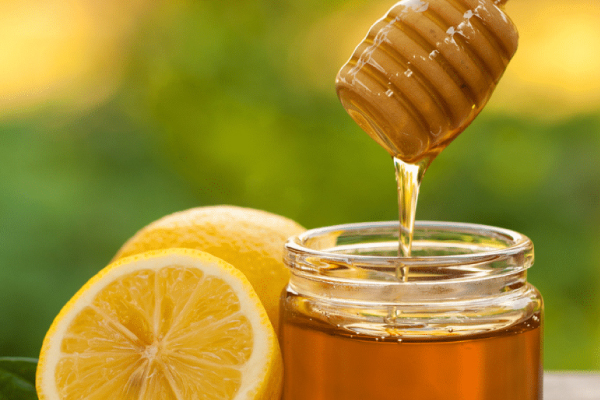
Most people assume honey is just a natural sweetener, but its true identity lies in its floral source. Each drop of honey is a biological archive of the plants the bees visited. Following the wellness insights from Common Health, understanding the specific properties of each floral source is the only way to avoid sugar-syrup traps and choose the "liquid gold" that suits your body's needs.
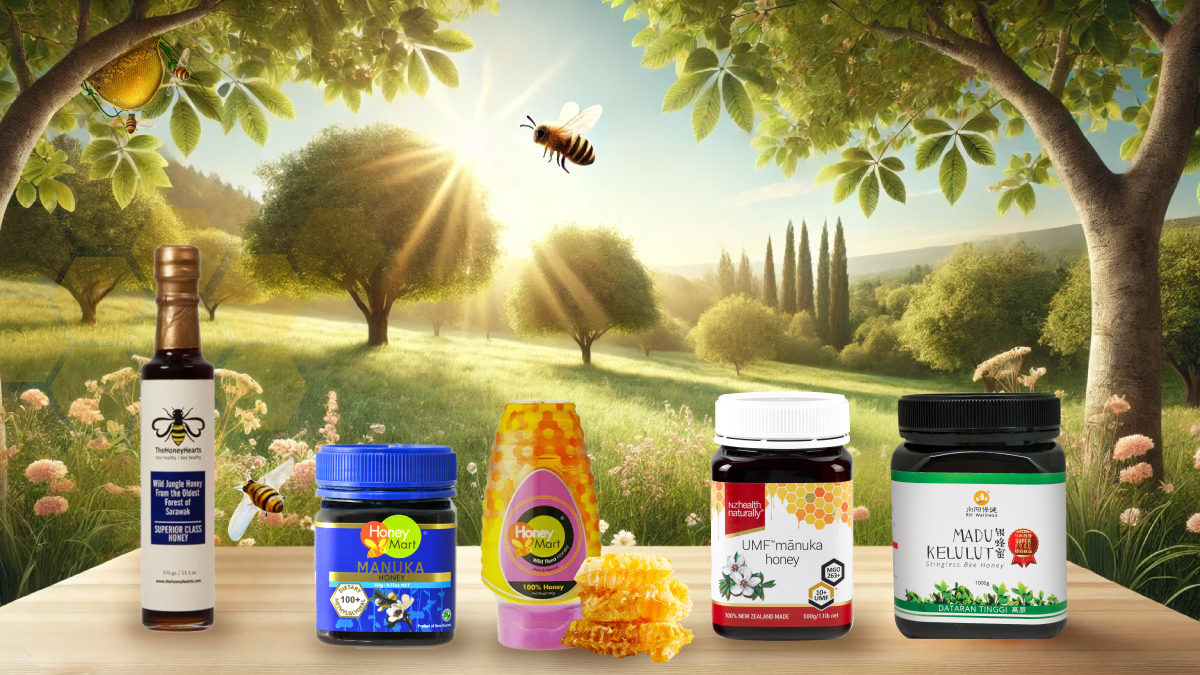
Decoding the Floral Source: Different Blooms for Different Benefits
The color, aroma, and functional properties of honey are determined entirely by the nectar collected by the bees. Choosing the right honey ensures your health goals are met precisely:
- Longan Honey: The Rich Amber Blood Nourisher Harvested from longan blossoms, this honey has a deep amber color and a decadently sweet, fruity aroma. It is traditionally used to nourish the spleen and support blood health. For individuals dealing with chronic fatigue, low energy, or those recovering from physical exhaustion, it serves as an excellent natural recovery tonic.
- Linden Honey: The Delicate Floral Stress Reliever Sourced from linden forests, this honey is light in color with a refreshing, minty floral scent. Its natural compounds are known to soothe the nervous system. If you lead a high-stress lifestyle or struggle with falling asleep, a warm cup of Linden honey before bed can significantly improve sleep quality.
- Multifloral Honey: The Balanced Immune All-Rounder As a blend of various seasonal wildflowers, Multifloral honey offers the most comprehensive nutritional profile. It provides a broad spectrum of antioxidants and vitamins, making it the perfect daily wellness staple for the entire family to maintain overall immunity.
- Manuka Honey: The Antibacterial Gut Shield From the New Zealand Manuka bush, this honey is prized for its high MGO (Methylglyoxal) content. This unique antibacterial property makes it a powerful ally for digestive health. It is the top choice for individuals suffering from stomach acidity, bloating, or bacterial imbalances in the gut.
- Stingless Bee (Silver) Honey: The Rare Antioxidant Defense Produced by rare stingless bees, this honey has a distinctive tangy-sweet taste and a very fine texture. It is exceptionally high in natural antioxidants compared to common honey. This makes it a premium choice for immune regulation and those looking to enhance their body's natural defenses.

Maximizing Benefits: How to Protect the "Active Life" of Honey
To ensure you are not just drinking sugar water, you must protect the delicate bio-active compounds within the honey:
- Temperature is Critical: Honey contains heat-sensitive enzymes and vitamins. Using water above 60°C will denature these beneficial proteins and may even create a sour taste. Always use lukewarm water (around 40°C) to dissolve your honey while keeping the nutrition intact.
- The Shake Test for Authenticity: Pure honey contains proteins and pollen. When shaken in water, it should produce fine, persistent foam and appear slightly cloudy. Synthetic honey (sugar syrup) creates very few bubbles that disappear almost instantly, leaving the water crystal clear.
- Crystallization is Natural: Do not throw away honey that has turned solid. This is a natural physical change, especially common in Linden honey or during colder weather. It does not affect the nutritional value or safety of the honey. Why Babies Should Not Have Honey: A Comprehensive Guide
Honey Selection & Consumption FAQ
Why does my honey water taste sour?
Honey contains natural organic acids. If you use boiling water, it can break down the sugars and highlight the acidity. Alternatively, if the honey has a high moisture content, it might have undergone minor fermentation. Always use warm, not hot, water.
Is honey safe for diabetics?
While honey is a natural alternative to refined sugar, it still consists mainly of glucose and fructose. Diabetics should consult their healthcare provider and consume it in strict moderation based on their blood sugar levels.
Why is honey strictly forbidden for infants under one year old?
Natural honey can contain botulism spores. While harmless to adults, an infant's digestive system is not yet mature enough to handle them, which can lead to life-threatening botulism poisoning.
Should I store honey in the refrigerator?
No. Honey is naturally self-preserving due to its low moisture and high acidity. Storing it in the fridge will only accelerate crystallization, making it hard to spread or dissolve without adding any benefit.