Bahasa melayu
 中文
中文










What You Think is Protecting Your Liver May Be Hurting It: 5 Common Misconceptions Uncovered
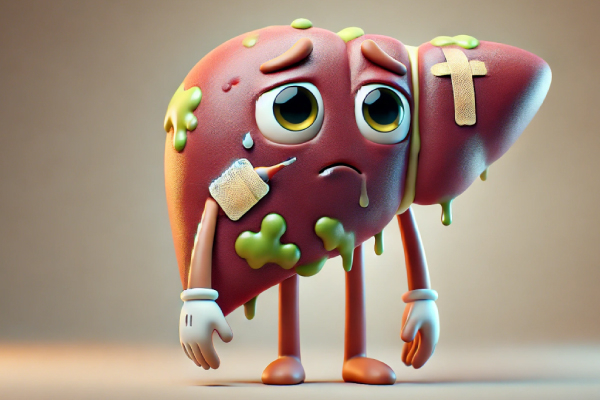
Silent Liver Damage, Misbeliefs Working Against You
Do you often stay up late working, drink at social events, then rush to drink a so‑called “liver tonic”? Do you take multiple liver supplements without really understanding their ingredients or whether they are right for you?
Many believe that “protecting the liver” is simple. Drink something, take a pill, problem solved. But the liver does not make pain signals like stomach, does not pound like heart when stressed. Usually by the time you really notice a problem, the optimal time to adjust your habits has passed.
What is worse, many of the habits people trust for liver health are quietly harming liver function day by day. This article will break down the five most common “pseudo liver‑health” mistakes and offer scientifically grounded practices so you avoid false starts.

Five Common Liver Health Mistakes and What Is the Truth
Mistake One: Drinking “liver tonics” can undo alcohol harm or repair liver
Many beverages marketed for “liver protection” or “sobering properties” contain caffeine, lots of sugar or some vitamins. But the effective ingredients are usually in very low doses. Those drinks cannot neutralize liver toxicity caused by alcohol. Worse is when people feel safe after drinking tonics and drink more alcohol. That increases burden on the liver rather than rest it.
Mistake Two: More supplements is better, no harm in taking many
Some people assume supplements are harmless. They combine many liver pills, detox capsules, “liver cleanse” drinks. But the liver is the main organ that processes substances. Taking too many supplements or unsuitable ones increases metabolic load and may lead to drug‑induced liver injury. Any nutrient intake must consider dosage, frequency and whether it is suitable for your body.

Mistake Three: Only heavy drinking damages liver; if I don’t drink, I don’t need liver care
Actually those with obesity, metabolic syndrome, frequent use of medications, processed food diet, irregular sleep or frequent late nights are at risk. Even if you do not drink, non‑alcoholic fatty liver disease can slowly reduce liver function. Liver care is not only for drinkers; it is part of health maintenance for many modern people.
Mistake Four: “Sobering” pills equal liver repair
Many take pills before or after social drinking expecting agents labeled “alcohol detox” or “sobering” to protect the liver. In truth those pills often assist alcohol metabolism or promote elimination; they do not contain proven cell‑repairing agents. Ingredients like activated charcoal, caffeine, even some probiotics may affect your digestion or nervous system. They cannot replace a comprehensive liver support routine.
Mistake Five: If there are no symptoms, the liver is fine
The liver is often called a silent organ. Even with mild fatty buildup, slight inflammation or elevated liver enzymes, you may feel nothing. Many wait until yellow‑ish skin, extreme fatigue or appetite loss before seeking help. At that point the condition may have advanced into chronic disease or metabolic imbalance. Regular tests and early diet adjustments are the foundation of true liver protection.
A Snapshot of Liver Health Trends in Malaysia
In Malaysia people’s awareness of needing to care for liver health is increasing. Especially among urban populations, men over forty, and people using multiple medications or traditional and modern medicine combined.
Common liver supplement products here use milk thistle extract, glutathione, curcumin. People prefer capsule forms, products with full registration, antioxidant formula. When choosing a liver supplement product local consumers should make sure it has NPRA registration, certification, and read consumer reviews or clinical evidence.
Diet recommendations
- Cut down high oil, high sugar, high salt, processed foods. Avoid fried and smoked foods
- Eat more fiber‑rich fruits and vegetables such as spinach, broccoli, carrots; include quality proteins like eggs, tofu, fish meat
- Include antioxidant foods like green tea, goji berries, turmeric, blueberries to help reduce oxidative stress on liver cells
Lifestyle and daily habits
- Maintain regular sleep schedule; avoid late nights and overwork
- Do moderate aerobic exercise at least three times per week to help fat metabolism
- Manage stress well, keep emotional state stable; suppress emotional overeating or binge eating
Key nutrients to consider
- Glutathione: known as a “liver antioxidant king”, helps detoxify and repair liver cells
- Milk Thistle: contains silymarin, used widely for liver support and anti‑inflammation
- Vitamins C, E, selenium, zinc: essential trace elements for antioxidant defense and maintaining liver integrity
Mistake vs Correct Liver Health Practices Table
| Mistaken Practice | Correct Liver Health Practice |
|---|---|
| Drink liver tonic then feel safe to drink more alcohol | Control alcohol intake, adjust diet, combine with nutrient support |
| Take many supplements without checking ingredients and dose | Supplement as needed, avoid overlap and choose registered products |
| Rely on sobering pills to prevent liver damage | Regular checkups, diet and lifestyle adjustments together |
| Ignore liver health because no symptoms show | Value early intervention and proactive care |
FAQ: Common Questions About Liver Protection
Q1: Does drinking liver tonics over long time cause side effects?
Yes. Many tonics have high sugar content, added caffeine. Taking them often may affect your blood sugar, disturb sleep, and overall not help repair liver. Ingredients may be too mild. Use diet changes as main strategy. Tonics only as minor help.
Q2: If I don’t drink alcohol, do I still need liver protection?
Yes. Non‑alcoholic fatty liver disease is common and often arises from poor diet, obesity, metabolic issues. Not drinking alcohol does not make you immune. Healthy food, activity, rest are still essential.
Q3: How long must supplements be taken before seeing benefit?
Usually at least eight to twelve weeks are required to observe changes in liver enzyme levels or reduction in tiredness. Must use regulated quality product and adjust lifestyle to support results.
Q4: If liver tests are normal, does that mean all is well?
Not always. Early stage fatty liver or mild inflammation may not show in basic blood work. Ultrasound or more advanced markers may help. Lifestyle still matters to prevent progression.
Q5: Can liver nutrients be taken together with other supplements safely?
In many cases yes, but watch out for overlapping ingredients and doses. For example milk thistle can go along with antioxidants, but avoid excessive zinc or selenium. Always consult doctors or nutritionists.
Take Action Now: Stop Believing Liver Shortcuts, Start Real Care
Liver protection has no quick fixes or magical drinks.
What you need is a plan based on diet, rest, exercise and safe nutrient support.
If you often social drink, take medications, or you have fatigue or elevated liver enzymes now start changing your food and lifestyle today. Evaluate whether to include safe liver supporting nutrients.