
 Bahasa melayu
 中文
中文
















Why Does Your Skin Itch More at Night? A Deep Dive into Skin Sensitivity and Nocturnal Barrier Repair
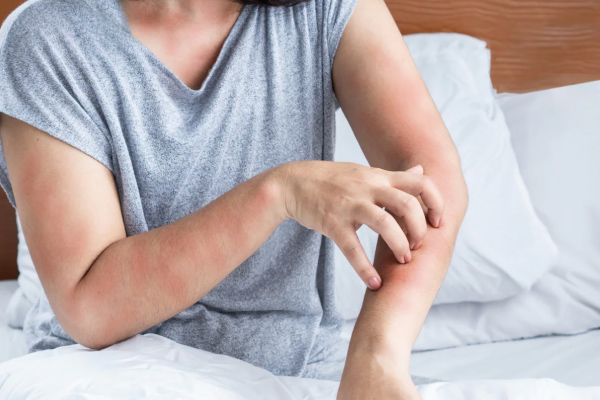
In the stillness of the night, when the world falls silent and your body is supposed to enter a state of deep restoration, many individuals struggling with skin sensitivity find themselves trapped in a silent, agonizing battle. This phenomenon, often referred to as nocturnal pruritus, can be far more distressing than the occasional sting or redness felt during the day. You might have tried countless lotions, attempting to suppress that deep-seated itch with thick creams, only to find the sensation worsening as the hours pass. Your skin becomes hot, flushed, and every scratch feels like adding fuel to a fire. This is not merely a surface issue; it is a complex intersection of biological rhythms and environmental triggers. Without identifying the root cause and choosing the right repair strategy, this cycle of sensitivity can become a heavy burden on your quality of life.
The struggle is often deceptive. During the day, your skin might only feel slightly dry or tight, but as soon as you lie down, the smallest irritation is magnified. Behind this experience lies a sophisticated biological mechanism, involving fluctuations in internal cortisol levels, increased transepidermal water loss, and the hidden irritants present in our daily routines. To end this cycle, we need a scientific strategy based on the process of elimination, paired with a professional repair solution that can truly reach the base of the skin and rebuild its defenses.
Identifying the Hidden Culprits: Irritants and the Process of Elimination
Recognizing the external factors that trigger skin sensitivity is the first step toward recovery. As many dermatological studies suggest, a variety of substances in our environment can act as a fuse for inflammation. These irritants are often hiding in the most trusted household items, such as soaps, laundry detergents, harsh cleaning chemicals, and even shampoos. When our skin barrier is already weakened by stress, dryness, or seasonal changes, the surfactants, fragrances, and preservatives in these products can easily penetrate the stratum corneum, directly irritating the immune cells beneath.
Finding the trigger is essentially a "process of elimination." It is helpful to look back at any new products introduced before the itching intensified. If the itching is concentrated in specific areas, such as the neck or scalp, the culprit might be your shampoo or hair styling products. If you experience widespread body itching, you may need to check if you are using excessive detergent in your laundry or if you are sleeping on synthetic fabrics that lack breathability and cause friction. Replacing these potential irritants with hypoallergenic, natural alternatives and switching to natural fibers like cotton, which is less likely to irritate the skin, can significantly reduce the burden on your sensitive skin.
The Biological Rhythm of Nighttime Itching: Why Darkness Intensifies Inflammation
Even after eliminating environmental irritants, many still wonder why the itch arrives so punctually in the early hours of the morning. This involves the body's internal clock. At night, the parasympathetic nervous system takes over, and blood vessels naturally dilate to release heat, leading to a slight increase in local skin temperature. For those with skin sensitivity, this rise in temperature accelerates the release of inflammatory mediators like histamine. Simultaneously, nighttime is when transepidermal water loss is at its peak. As moisture evaporates, the already fragile cell barrier becomes brittle and cracked, triggering the nerve endings densely packed beneath the skin.
A more critical factor is hormonal. Cortisol, the body’s internal anti-inflammatory warrior, is secreted at higher levels during the day to help suppress allergic reactions. However, in the deep of the night, cortisol levels drop to their lowest point, leaving the body’s natural anti-inflammatory defenses at their weakest. When this internal vulnerability meets external allergens, the sensation of itching grows exponentially. In this moment of defenselessness, simple hydration is no longer enough; the skin requires deep support that can instantly stop the itch, fight bacteria, and promote circulation.

Innovation in Nano-Technology: The Precision of TruHerbs Galesie Cream
To address skin sensitivity with such complex triggers, TruHerbs Galesie Cream offers a modern approach to repair. It does not rely solely on the power of nature but integrates advanced nano-research technology. The significance of this technology lies in its ability to micronize natural active ingredients into extremely small particles, allowing them to easily pass through the damaged stratum corneum. Unlike traditional ointments that sit heavily on the surface and create a sticky feeling, the high permeability of this cream ensures that every drop of essence reaches the source of the itch with precision.
The formulation of TruHerbs Galesie Cream is both sophisticated and efficient. Built on a foundation of pure water, it incorporates Pectin, known as a natural antibiotic, to effectively sterilize and relieve allergic reactions. The addition of Borneol provides an immediate cooling sensation to calm agitated nerves and stop the itch. White Essential Oil works to stimulate blood circulation and accelerate the metabolism of inflammatory factors. Complemented by the anti-inflammatory properties of Peppermint Essential Oil and the powerful soothing and cellular repair functions of Lavender Essential Oil, TruHerbs Galesie Cream establishes a dual physical and biological defense network within minutes, bringing long-awaited peace to distressed, sensitive skin.
FAQ
Why does my skin feel itchier after switching to a new "natural" soap while trying to eliminate irritants?
This is a very important detail to note. When performing a process of elimination for skin sensitivity, many people blindly chase the word "natural." However, some products labeled as natural may contain unfiltered essential oil resins or highly alkaline soap bases. For individuals with a severely compromised barrier, these ingredients can actually become new irritants. The correct approach is to use professional cleansing products that are pH-balanced, fragrance-free, and formulated without harsh foaming agents. Immediately after cleansing, apply TruHerbs Galesie Cream. Its nano-scale Pectin components create a breathable, simulated sebum film on the skin's surface, effectively isolating the raw nerves from external environmental triggers and preventing the itch from recurring.
Hot water provides temporary relief from itching, so why do experts advise those with skin sensitivity to avoid it?
The relief provided by hot water is a dangerous illusion. When high-temperature water hits the skin, it momentarily numbs the transmission of itch signals, providing a brief sense of comfort. However, excessive heat actually strips away the last remaining natural oils from the skin's surface, leaving it in an even more dehydrated state once you finish washing. Even worse, the heat causes blood vessels to dilate further, allowing more inflammatory substances to accumulate in the area. When facing nighttime itching, cooling—not heating—is the scientific logic. Using TruHerbs Galesie Cream, which contains Borneol and Peppermint, allows you to quickly calm damaged nerves through a natural cooling effect without harming the skin barrier, making it a safe and effective way to stop the itch.
Can long-term itching from skin sensitivity cause the skin to become stiff or develop acne-like bumps?
This is a hyper-protective mechanism of the skin. Chronic inflammation and persistent scratching can trigger chronic dermatitis, leading to an abnormal thickening of the stratum corneum, which results in a stiff and rough texture. Furthermore, bacteria introduced during the scratching process can penetrate deep into the hair follicles, causing secondary acne issues. To address this complex damage, the Lavender and White Essential Oils in TruHerbs Galesie Cream play a crucial role. Lavender helps soothe skin spasms and stiffness, promoting the regeneration of damaged tissue, while White Essential Oil improves blood circulation to help clear away metabolic waste trapped beneath the skin. This all-in-one repair solution helps the skin regain its natural softness and smoothness while stopping the itch.
What is the fundamental difference between nano-research technology and regular herbal ointments?
The fundamental difference lies in "depth of absorption" and "bioavailability." The stratum corneum of those with sensitive skin is often in a state of metabolic disarray; the large molecules of ordinary ointments struggle to penetrate this defense, meaning the active ingredients often stay on the surface and are wiped away by clothing or bedding. TruHerbs Galesie Cream, developed through nano-technology, features active particles with diameters controlled at a microscopic level. This allows them to utilize the tiny gaps between skin cells for "infiltrative" delivery. This means it not only works faster but also acts more durably within the upper layers of the dermis. This high-tech enhancement gives gentle herbal ingredients a repair efficiency comparable to traditional pharmaceutical treatments.
How can I prevent major nighttime outbreaks of skin sensitivity during seasonal changes?
The core of prevention lies in building the barrier in advance. During periods of drastic fluctuations in temperature and humidity, it is recommended to simplify your skincare routine and reduce the use of exfoliants or high-strength whitening products. Every morning and evening, apply a thin layer of TruHerbs Galesie Cream to areas prone to redness and itching as a preventative shield. Utilize the natural antibacterial power of Pectin and the circulation-boosting properties of White Essential Oil to keep the skin in a high-defense state. Additionally, maintaining proper indoor humidity and ensuring adequate sleep can help normalize cortisol secretion rhythms, fighting the threat of sensitivity from both the inside and outside.
Does Pectin really have a natural antibiotic and anti-allergic effect in skincare?
Pectin is scientifically recognized for its excellent film-forming properties and natural antimicrobial characteristics. When applied to the skin, it forms a semi-permeable physiological barrier that locks in moisture while utilizing its unique pH-balancing function to inhibit the growth of pathogenic bacteria that cause dermatitis and itching. For skin in an allergic state, Pectin can adsorb and neutralize certain allergenic factors, significantly reducing local inflammatory responses. In the formula of TruHerbs Galesie Cream, Pectin serves as a core ingredient, providing not just a comfortable texture but acting as a microscopic sentinel, constantly guarding fragile skin against secondary external infections.
Reclaim Your Right to Sleep: Let Your Skin Return to Natural Tranquility
Skin sensitivity should not be a nighttime nightmare, nor should it be a constant worry in your life. By observing your daily habits and using the "process of elimination" to remove irritants hidden in your clothing and cleansing products, you can cut off the source of the itch from the outside. When dealing with discomfort triggered by internal biological rhythms, you need a more scientific, deeper repair force to rebuild your defenses.
TruHerbs Galesie Cream provides a closed-loop repair solution with its all-natural herbal formula and leading nano-research technology. From the instant cooling of Borneol to the antibacterial protection of Pectin, and the circulatory regeneration of White Oil and Lavender, every detail is designed to bring peace back to your distressed skin.
There is no longer a need to feel anxious over late-night itching or frustrated by recurring redness. Choosing TruHerbs Galesie Cream means choosing a lifestyle that respects nature and embraces technology. Let your skin greet each new day in its strongest, most resilient state.

